-
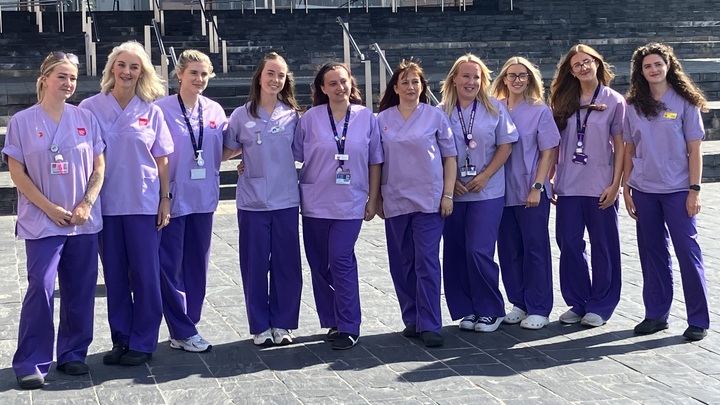 Strengthen Maternity Care: Employ Midwifery GraduatesIn maternity services across Wales, midwives report overwhelming workloads, increasing complexity of care, and concerns about their ability to provide the safe, personalised care every woman deserves. Yet many hardworking graduates struggle to secure the permanent jobs they trained for. Investment in education must be matched by investing in jobs. As a union, midwives are calling on ministers to: 1. Guarantee up to full time employment opportunities for newly qualified healthcare graduates. The Welsh Government should work with health boards to ensure newly qualified healthcare professionals have clear pathways into permanent full time employment if that is what they want. 2. Fund safe staffing levels in maternity services. Every maternity unit should have enough staff on every shift to provide safe, compassionate and personalised care. 3. Publish transparent workforce plans. Families deserve to know how many midwives and maternity support workers are needed, how many are in post and what action is being taken to address shortages. 4. Retain and support the existing workforce. Improved wellbeing, flexible working and manageable workloads are needed to keep experienced staff in maternity services. 5. Link training investment to workforce need. If Wales trains healthcare professionals to meet future demand, funded posts must be available so those skills are not lost.1,478 of 2,000 SignaturesCreated by The Royal College Of Midwives
 -
.png) Save Ward 7 - Bishop Auckland HospitalBishop Auckland Hospital is part of the County Durham and Darlington NHS Foundation Trust. In recent years various part of its services have been downgraded. The latest proposal is to close Ward 7, which provides speciality frailty care ward. Patients are overwhelmingly older, have been referred there following a fall or serious respiratory condition, and spend between 1-4 weeks in order to be able to then move home independently. As well as cutting needed beds the proposed closure is part of wider downgrading of services. These services play a vital role in the care Bishop Auckland Hospital is able to provide.2,361 of 3,000 SignaturesCreated by Sophie Psaila
Save Ward 7 - Bishop Auckland HospitalBishop Auckland Hospital is part of the County Durham and Darlington NHS Foundation Trust. In recent years various part of its services have been downgraded. The latest proposal is to close Ward 7, which provides speciality frailty care ward. Patients are overwhelmingly older, have been referred there following a fall or serious respiratory condition, and spend between 1-4 weeks in order to be able to then move home independently. As well as cutting needed beds the proposed closure is part of wider downgrading of services. These services play a vital role in the care Bishop Auckland Hospital is able to provide.2,361 of 3,000 SignaturesCreated by Sophie Psaila -
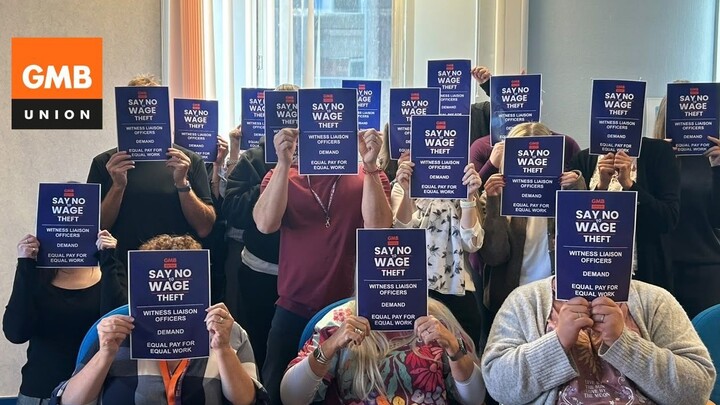 Support South Yorkshire Witness Liaison Officers - Equal Pay for Equal Work!1. Witness Liaison Officers at South Yorkshire Police earn £5,000 LESS than West Yorkshire Witness Liaison Officers, despite doing the same job. In short, people who deliver a vital and difficult service are being paid less than those in identical roles only 45mins up the M1. 2. Witness Liaison Officers provide support and assistance to victims and witnesses throughout the criminal justice process, often speaking with and supporting highly vulnerable individuals including rape, domestic and child abuse victims. 3. South Yorkshire Police admit Witness Liaison Officers in West and South Yorkshire do the same job, yet South Yorkshire still refuse to accept that the pay rates for the role are too low, or that their job evaluation system is broken, well, broken for those at the bottom, not those in Senior Command who use a different job evaluation system similar to the one in West Yorkshire. The people who provide support to some of the most vulnerable at an incredibly difficult time deserve better. Please sign and share your support for Witness Liaison Officers.368 of 400 SignaturesCreated by Joe Wheatley
 -
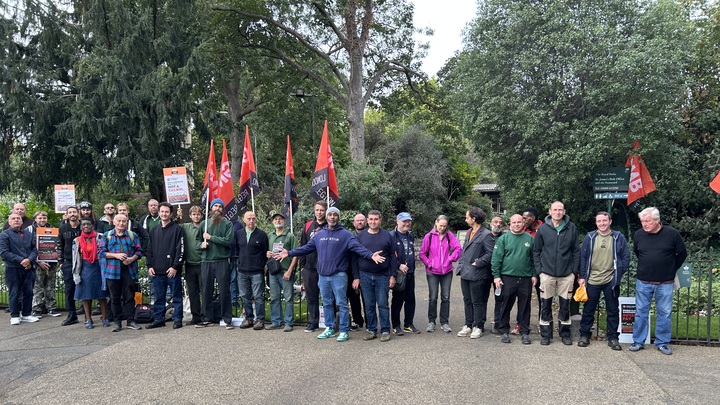 The Royal Parks gardeners say: "Let our pay grow!"Gardeners are the heart of The Royal Parks. We use our considerable skills, knowledge, and experience to keep these spaces looking beautiful for millions of visitors every year. We deserve to be paid a decent wage for our hard work. Fair pay and basic dignity is the best way to protect the future of the parks we all love.268 of 300 SignaturesCreated by Lizzie Fraser
 -
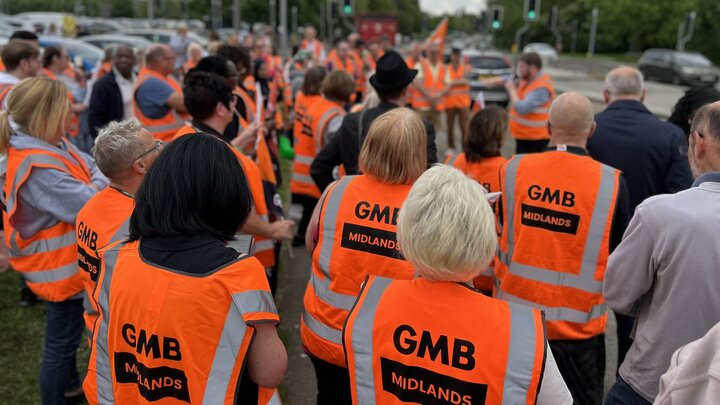 Save the Hydro Pool at Kings Mill HospitalFor many patients, hydrotherapy provides a safe, low-impact form of rehabilitation that cannot easily be replicated elsewhere. Now it is slated for closure. The knock-on impact for patients, their families and the wider community means that many will experience inferior treatment or lengthy journeys, just to carry on with their treatment. GMB members working in the Hydrotherapy pool and within the wider therapy services deeply value their role and the meaningful care they are able to provide to their patients by using this facility. The union is appalled by the decision to close the pool, which has caused significant concern for staff and threatens job insecurity. We are equally concerned about the lack of proper consultation. Please support this important campaign.211 of 300 SignaturesCreated by Cameron Mitchell
 -
 Save Daisy Hill HospitalDaisy Hill Hospital serves communities across Newry, Mourne and the surrounding rural and border areas. Decisions about its services affect patients, families, staff and the future of local healthcare. First it was stroke services, then Emergency Surgery, Now it’s Maternity. What’s next? Signing the petition helps demonstrate the strength of public concern and gives local people a collective voice in decisions about their hospital. Every signature matters. Get involved, sign the petition and help send a clear message: protect and invest in Daisy Hill Hospital and its services.12,801 of 15,000 SignaturesCreated by UNISON Southern Trust
 -
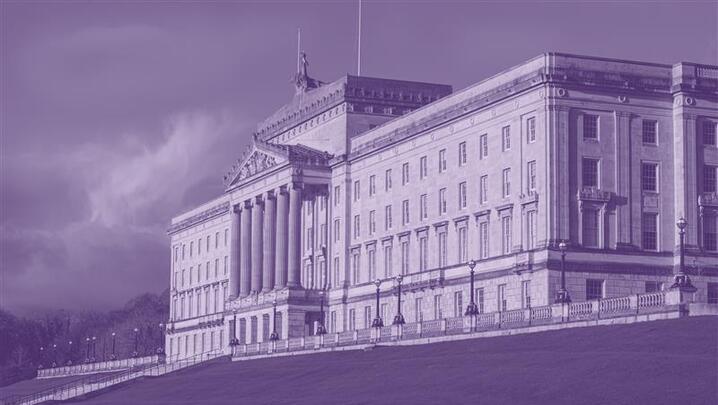.jpg) Save the Arts: Letter of No Confidence in Communities Minister Gordon LyonsGordon Lyons was appointed Communities Minister – a role which covers arts and culture – in February 2024. The Arts Council Northern Ireland provided a 10-year plan for the arts between 2024-2034, which the Communities Minister chose not to sign off. In 2025, the ACNI stated that “The arts budget continues to present significant challenges to the sector and to the Arts Council’s ability to meet the needs of artists, arts organisations and their audiences.” In 2025, the Minister promised an Arts Policy. On 3 July 2025 the Committee for Communities also requested that the Minister create an arts and culture strategy and secure proper funding for the arts. This has not taken place. A budget of £21.27 million for 2026/27 is the level identified by ACNI in February 2026 as necessary to stabilise core infrastructure, strengthen support for individual artists, improve regional distribution and enhance organisational capacity. At just £5.07 per head in 2023/24, Northern Ireland Arts Council (ACNI) receives the lowest per capita arts council funding of anywhere in the UK - less than half that of the second-lowest, Wales. A real-terms cut of almost 40% to Arts Council Northern Ireland funding over the past 10 years has deeply impacted artists, producers and communities. Further info here: Save the Arts: Lobby Stormont2,232 of 3,000 SignaturesCreated by Gareth Forest
Save the Arts: Letter of No Confidence in Communities Minister Gordon LyonsGordon Lyons was appointed Communities Minister – a role which covers arts and culture – in February 2024. The Arts Council Northern Ireland provided a 10-year plan for the arts between 2024-2034, which the Communities Minister chose not to sign off. In 2025, the ACNI stated that “The arts budget continues to present significant challenges to the sector and to the Arts Council’s ability to meet the needs of artists, arts organisations and their audiences.” In 2025, the Minister promised an Arts Policy. On 3 July 2025 the Committee for Communities also requested that the Minister create an arts and culture strategy and secure proper funding for the arts. This has not taken place. A budget of £21.27 million for 2026/27 is the level identified by ACNI in February 2026 as necessary to stabilise core infrastructure, strengthen support for individual artists, improve regional distribution and enhance organisational capacity. At just £5.07 per head in 2023/24, Northern Ireland Arts Council (ACNI) receives the lowest per capita arts council funding of anywhere in the UK - less than half that of the second-lowest, Wales. A real-terms cut of almost 40% to Arts Council Northern Ireland funding over the past 10 years has deeply impacted artists, producers and communities. Further info here: Save the Arts: Lobby Stormont2,232 of 3,000 SignaturesCreated by Gareth Forest
-
Put the Pride Back in Our LibrariesOver the last few months, Reform councillors in both Staffordshire and Warwickshire have attacked the visibility and representation of LGBTQ+ people in council libraries. In Staffordshire, library staff have been told that “we will not be celebrating Pride in any form”. They have been instructed to remove displays, halt events and activities, and cease any Pride-related communications. In Warwickshire, the Reform leader has said that county council libraries “have been promoting contested gender ideology”. He went on to say that issues had been raised with him, such as staff wearing rainbow lanyards and libraries having a book that “would give out the wrong messages” and potentially be “dangerous to young children”. The Reform leadership has promised “a comprehensive policy” for libraries and other council-owned public spaces “to combat this trend”. Inclusive libraries matter. Research found that 81% of LGBT+ respondents oppose restrictions on the promotion of Pride events in public libraries.* It also found that nearly three-quarters (72%) believe withdrawing public funding from Pride events would negatively affect LGBT+ people, with reduced feelings of inclusion and belonging and increased concerns about discrimination among the most cited impacts. We believe that libraries should be inclusive spaces that help to educate, inform and entertain people of every age, gender, sexuality, background and political belief. They are here to help open minds, not close them. *LGBT+ results are based on a cross-break of respondents within the nationally representative UK sample and are not a standalone representative sample of LGBT+ adults1,407 of 2,000 Signatures
-
 Tax the banks — cut our bills!Getting banks to pay more tax on their profits to help us with the cost of living is common sense. They’re raking in billions while the rest of us are struggling. We've seen this pattern before. The high interest rates introduced after Putin's illegal invasion in Ukraine combined with a reduced bank surcharge tax — brought down to just 3% by the Conservatives — led to a bumper pay day for the banks. The economic chaos sparked by Trump's illegal war in Iran is already seeing this pattern continue at our expense. Increasing the bank surcharge could raise billions to help fund a social tariff scheme to reduce energy bills. The TUC's proposed social tariff would cut typical bills by between £340 and £520 a year for half of households (those on low and lower-middle incomes), with those in greatest need getting the most off. But when energy costs spike, as is happening now, support would ratchet up so that two-thirds of households would get an emergency boost to match their needs. At current (Summer 2026) rates, this would see: • The lowest-income households typically saving £520 a year • Middle-income households typically saving £340 a year • And upper-middle earners saving £170 a year If put in place now, the scheme (including the emergency tariff) would cost only £6bn per year. Setting the bank surcharge at 35% — the level of the Conservatives’ windfall tax on energy companies — could raise up to £60bn over four years. Even a 16% surcharge would be enough to cover the scheme. History shows that when working people act together, we can win a fairer economy that works for everyone. We can do that again today. It's time the banks paid their fair share in tax. It's time for a social tariff to cut energy bills.24,445 of 25,000 SignaturesCreated by Unity Works
 -
 We want a four-day working week for Dorset Council workersToday, British workers put in the longest full-time working hours compared to almost every country in the EU and at the same time we have one of the least productive economies. Research conducted by the 4 Day Week Global Campaign has found that: • 63% of organisations find it easier to attract and retain staff with a four-day week • 78% of employees with a four-day week are happier and less stressed • 92% of companies in the UK opted to continue with the four day week • Levels of anxiety and fatigue decreased • Mental and physical health both improved • The number of staff leaving participating companies decreased significantly, dropping by 57% over the trial period Current part-time workers could also stand to benefit from a pro-rata reduction in their working hours with no loss of pay, provided job descriptions and workload expectations are realistic for the number of hours worked. The arguments in favour of a four-day working week gain increasing ground as ever more new technology is introduced into the workplace, generating substantial productivity gains, and those benefits should be shared among the workforce. Dorset Council would bolster and help cement their reputation as a cutting-edge employer and institution among staff, students, Dorset and the wider community. Further, they’d be helping lead the way nationally and in the sector on being a four-day working week employer as a key component of changing our working life. We call on Dorset Council to commit to implementing a four-day working week trial in the institution, with the view to making it permanent. UNISON Dorset Branch50 of 100 SignaturesCreated by UNISON Dorset
 -
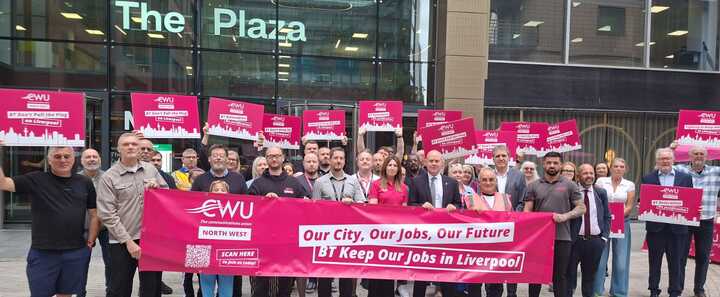 BT don't hang up on LiverpoolAround 600 employees are set to be hit by the plans, which will see some workers being forced to commute to Manchester and Leeds to keep their jobs, while other roles will be cut entirely. The jobs being impacted includes work from across BT’s remit, with everyone from 999 callers to Openreach workers. One particular group of employees seriously affected by the announcement are Relay UK Workers, who enable deaf and hard of hearing people to communicate over the phone. This highly skilled, specialised work is vital for enabling communication for deaf and hard-of-hearing people, and the CWU fear that this may be the beginning of the end for a service which has provided a lifeline for thousands of people across the country. The union’s call to keep these jobs in Liverpool has been widely supported across Liverpool, and has been backed by local councillors, MPs and Liverpool City Region Combined Authority, whose mayor Steve Rotheram has written to BT urging them to reconsider their decision. Decisions like this should always consider the real impact on frontline employees and their families. Changes such as redundancy or relocation can cause distress, uncertainty and disruption. These employees work hard every day and are key to BT’s success. The CWU believe that it is economically viable for BT to maintain a presence in Liverpool and that is the best outcome for staff and service users.1,387 of 2,000 SignaturesCreated by Carl Webb
 -
 PROTECT OUR PAY, RESPECT OUR WORK - GSTT NHS Trust Set to Cut Wages of Vital Admin Staff• Admin staff deserve to be paid fairly for the work that they do. Their work is essential to ensure patient safety and the effective running of services so that patients have a good experience. • Admin staff could lose up to £9,463.20 per year. How is this fair? How will staff continue to pay their bills, mortgages and care for their families? • The trust is cutting 175 previously unfilled vacancies. Services are already experiencing understaffing due to these unfilled vacancies. Less staff could lead to workplace stress and the potential for delays to patient care. • If these plans go ahead, there could be more cuts which will impact staff and patients in the future. • Reducing the number of higher paid admin roles removes opportunities for career progression for staff and undermines the recognition, responsibility and professional status associated with these roles. • Reducing pay for experienced staff is likely to damage morale, worsen recruitment and retention, and increase turnover, ultimately impacting the quality and continuity of patient care. • 76% of the staff affected are women and 64% are people of colour. The NHS prides itself on equality and inclusivity but this does not align with these values. • The Trust is not taking into consideration the need for reasonable adjustments for disabled staff and those whose first language is not English. Sign the petition to show your support for the NHS Admin staff and the work that they do.2,167 of 3,000 SignaturesCreated by UNISON Guy's and St Thomas' Branch